Monday, August 31, 2015

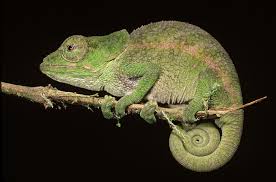
chameleons


 Image result for chameleon
Today's blog will be on the chameleon as you may know they change the color of there skin to camouflage in there environment and they use this to hide from predators,there are many different colors that the chameleons can change into to blend in to there environment and avoid detection and become prey how ever some of them still get eaten and detected be predators. keep in mind that there are different kinds of chameleons in the word and you can see them in the images below.
Image result for furcifer
furcifer Chameleon 
Bradypodion Chameleon 
Image result for panther chameleon
Panther chameleon 
Image result for veiled chameleon
veiled chameleon


Now remember that these four are not the only types of chameleons in the world and that there are many others. if you want to know how they change color then search the link below to learn the truth on how they and why they change there colors. 
https://youtu.be/SQggDnScsvI


Monday, August 24, 2015

Spotted Wobbegong shark


.
.

Image result for SPOTTED WOBBEGONG
Image result for SPOTTED WOBBEGONG  The spotted wobbiegong shark is not like your ordinary shark for example the are bottom feeders meaning they do not attack humans or large fish they can reach sizes between 1.5 to 3.2m males grow up to 1.8m. The spotted wobbegong shark can be identified by their 2 dorsal fins and the spotted body along with the small beard and shovel shaped head.There spotted skin  is perfect for coral areas where there are shadows and rocks as you can see in the picture to the left under the first picture, they use there skin to blend in and hide from larger sharks that think of them as prey for example a bull shark or a blue shark remember there are other sharks other than these that will eat the spotted wobbegong shark and some of these other sharks will eat the other two sharks that where used as examples including the spotted wobbegong. Also not all wobbegong sharks have the same type of skin this can change do to the different areas in the sea for example sand areas and coral areas can change lead to the change in there skins this is also an example of evolution,What I think about this shark is that the can be pets and also they are harmless to humans.
links to videos on youtube
https://youtu.be/9y7UgeNyA4w

Image result for spotted wobbegong shark facts

Image result for SPOTTED WOBBEGONG                                                           
Image result for spotted wobbegong shark facts


.

Wednesday, May 27, 2015

mojave rattle snake


        The mojave rattle snake is one of many rattle snakes in the world and can be found in the mojave desert along with the extreme parts of texas and other extreme heat dry areas they can be found in these areas.The full grown adult males can grow from 2 to 4 feet in length making it a mid sized rattle snake the largest a rattle snake can grow is 8 to 9 feet most of the mojave rattle snakes olive on rocky slopes. The mojave rattle snake can be mistaken for a western diamondback rattle snake because of there similar diamond like pattern on there backs how ever there is a way to tell witch is witch on the western diamondback the diamond like pattern continues down the tail and on the mojave the diamonds stop three inches from the rattle and turn to lines.The mojave can come in color such as a olive green and or a green and grey mix but the most seen color is a brownish and yellow mix. The venom of this snake is ten times more potent than any other northern rattle snake this is what makes the mojave one of the most deadly rattle snakes in the u.s and the bite is said to be less painful the venom is a nurotoxin and it is called mojave toxin. They do not lay eggs but they give birth to live young and they are just as deadly as the adults because the young do not know how to control how much they use and even though they do not have much venom to start out with they can still kill more than one full grown human with  the amount they have. Also the mojave dose not have to many predators except for hawks and coyotes


Wednesday, May 20, 2015

Saw Scaled viper/carpet viper


chart of different snake species 
The saw scaled viper is highly venomous and is considered one of south asia's most deadliest snakes.This snake is not afraid of people and is quick to bite at anything that is close to it even another fellow saw scaled viper if need be. The saw scaled viper is nocturnal and dose not rely like to come out during the day but if it is hungry it will come out most of them bury themselves in sand and ambush there prey. there habitats are made of desert and urban areas. The behaviors and adaptations of this snake are they are ambush animals and they are well camouflaged they are nocturnal and last they are venomous.They inhabit arid and dry regions north of the equator like africa aribia along with india and sir lanka and southwestern asia. you can identify this snake from its stout body with a pear shaped head that is distinct from the neck. The effects of its venom can cause internal bleeding and a pain full death for who ever is bit by the saw scaled viper the type toxin in the venom is called a  hemotoxin the reason for it's name is because it attacks the human body's red blood cells.