Tuesday, April 19, 2016

Galapagos marine iguana (Amblyrhynchus cristatus)

Galapagos marine iguana

Skull of Marine Iguana 

Description

The Galapagos marine Iguana is one of the worlds only marine lizards, by the name you can already tell they are from the Galapagos Islands and are well adapted to their harsh environment that is absent on mammals that would hunt them. They have sharp claws in order to climb up rock cliffs and short blunt mouths made to eat sea weed and grassy vegetation their flat tails are used for swimming through the violent waters they call home.
 
Size 

The males of this species can grow up to 0.75m and the
 average weight is 1.5kg this is the average male.

The females of this species can grow up to 0.6m and the average weight is 0.5kg this is the average female.


Diet 

This species of iguana feed on seaweed and tropical fruit that can be found around the island.


Mating Season 

During the mating season of the Galapagos Marine Iguana they will turn a copper like green along with red this a sign of the mating season being in session, when the female is ready to lay her 1-6 eggs she will go 300 meters inland, in sand or in pockets of volcanic ash that are 30-80 centimeters deep the mother will watch over the nest until the incubation process is done this takes 95 days after the eggs hatch the mother leaves the young iguanas witch look like mini adults to fend for themselves around half of them will survive.

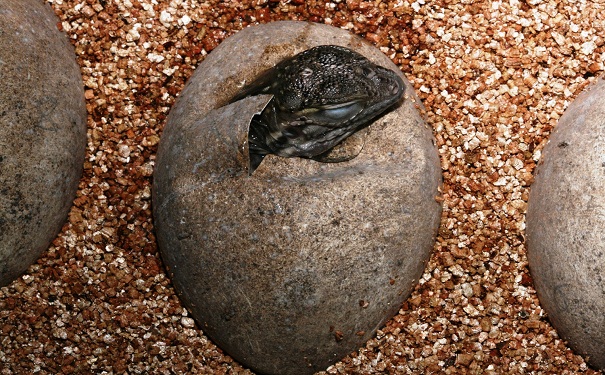
Image result for Galapagos marine iguana (Amblyrhynchus cristatus) eggs


    Video Links

https://youtu.be/AhkxE5b3Ubw?t=2
https://youtu.be/bV0F0sjNSAU?t=4

Monday, April 11, 2016

Saltwater Crocodile


Today's blog is on the Salt water crocodile I hope that you enjoy this and share what you think about this beast.

The salt water crocodile is on of the
worlds biggest crocodilians and from its name it is easy to tell they do swim in both salt and fresh water,The have a bite that is 10 times stronger than a great white and can grow up to 20-25 feet in length they also have been reported as man eaters.
Kills:Average 1,000 a year mostly during the mating season.
Attacks: Last reported 2010 around 3000 attacks may increase in the mating season when they are most hostile and more likely to attack.


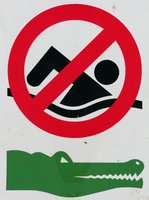
A sign, warning that the water here is infested with Australian crocodiles.


Avoiding attacks: To avoid being attacked always be on the look out for warning signs when in Australia and Malaysia, Also look for air bubbles on the surface of the water this will give away the crocs location and avoid it if possible.

If Attacked: if you are attacked by this animal go for it's eyes or the back of the throat these are the most sensitive parts of the croc keep in mind this goes for all crocodilians, and if they try to preform a death roll rotate your body with it  or try to wrap around its body and hold on tight to prevent the loss of a limb after it gives up get to the shore and seek medical help as soon as possible.


Wednesday, April 6, 2016

Giant Day Gecko


Madagascar Giant Day Gecko

Description 

The Giant Day Gecko is one of the largest geckos in the world and is located in Madagascar,They're average size ranges from 7-9 inches long they are a bright green with red markings on they're face, They are mostly found on trees and basking in the sun.

Pet options / Housing and Feeding

If you would like to one of these fantastic creatures as a pet then you would need the right habitat the perfect sized tank for them is a 10 gallon tank that is 12"x18" the largest is 18"x24", Keep in  mind they need the right heating and lighting for small tanks use a Florissant UVB light and a halogen basking light this is for a 10 gallon and will keep the terrarium at the right temperature keeping your gecko happy also do not underestimate your gecko they need the right amount of heat to digest they're food and also to keep them healthy remember the brighter the colors on them the healthier they are, Also make sure they have plenty of water they will use this to cool down and drink.

Food Options                
             
-Mealworms                                
-Small crickets                            
-Reptile calcium powder            
-fruits like mangos, red bananas

Image result for fluorescent uvb light
Florissant UVB light

Halogen basking light 

Thursday, March 31, 2016

Eastern Angel Shark

Image result for eastern angel sharkToday's blog is on the Eastern Angel shark, They get their name from the wing-like fins on their side. As you can see in the picture below they have their eyes on top of their head and they use them to look up to see small fish and they hid under sand like a stingray, Just remember they look similar so if you see one be careful it could be a stingray instead. This shark is nothing like all the others like the great white or bull shark they do not attack humans and they are friendly and have a devilish mean streak they usually hunt small fish and plankton ,however, they will attack if provoked , This shark is at risk of going extinct though and it is quite a shame they are usually hunted for the wings on their side like stingrays and could be dying from pollution as well. If you would like to find out more about this beauty then cheek out the links below.

Video Links
https://youtu.be/o3TJa31chjA?t=11
https://youtu.be/efhf3xk7oJ4?t=4   Angel shark attack Untamed and Uncut

The eastern angel shark has its eyes on the upper surface of its head and long, broad pectoral fins. The  gills are on the side of the head and the long depressed tail has no anal fin

Thursday, March 17, 2016

Monocled Cobra


Image result for Monocled cobra
Today's blog is on the Monocled cobra,This snake is one of the many cobra species out there the are also one of the most deadliest of the cobras. They can be found in South and Southeast Asia,India,China,Vietnam,Cambodia and many other parts of the world. This snake can grow to from 4-7.5 ft in length and they are called Monocled cobras due to their O shaped pattern on the back of their heads also known as the monocellate hood pattern they are usually found in rice fields and Forrest areas they are around the rice fields due to the rodents that come to eat the rice they are found in the small mice dens, they can also be found in residential areas and on black market. They feed on small rodents juveniles feed on small frogs and lizards and even each other.This snakes venom is one of the fastest acting in the world and will kill a adult in 1 hour after envenomation the nurotoxins in it's venom will cause drowsiness and nerve issues causing pain and trouble moving muscles which will eventually lead to cardiac arrest and the death of the victim also if you are bit on the neck then you will only have 30 minutes. The best thing to do if bit by this snake is to tie of the limb with a rope or something that you can use to slow the spreed of the venom, this can buy you more time depending on how fast you react. If you would like to learn more about this snake then check out the links below. 

Monocled cobra - Wikipedia, the free encyclopedia

  
Image result for Monocled cobra

Tuesday, March 1, 2016

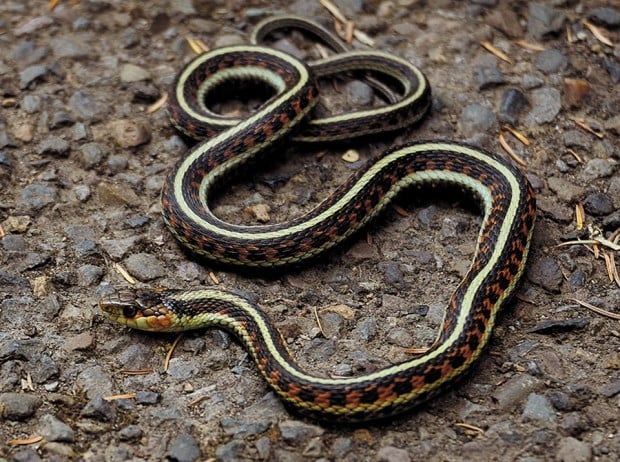
Garter Snake

Plains Garter Snake 
  
Description

The garter snake is not a dangerous snake and is a usually kept as a pet by snake loves, Although this snake may look mean they are not a threat, to people even though they have sharp teeth, they do not attack people they are a very shy snake and usually avoid humans. They mostly feed on small frogs and insects because of they're size but if  you are bitten make sure to clean the wound and see a doctor encase you may have a allergic reaction to the venom in the bite. 

Distribution 

They are a common in North America they are also the only snake that can live in Alaska naturally due to they're adaptability in both habitat and diet. How ever when most of  the different species are being removed from they're natural habitats as pets causing some of them to be endangered and eventually go extinct. 


Behavior

This snake dose not have a way to show aggression how ever they will coil up and release a terrible sent to try to get predators to go away this has about a 50% chance of working, They are also the only snake that dose this if this dose not work they will try to get away using any water source nearby and will even stay and try to find something to eat.

Easter Garter Snake 
Reproduction

The male Garter snake will follow the females sent and if he finds another male heading in the same direction they will fight over mating rights and the winner will mate with the female and she will chase him off after and wait up to a year to give birth to 80 new garter snakes most of them will most likely die soon after birth only around 25% of them will survive.


Tuesday, February 23, 2016

Top 5 Edition venomous snakes


1.Island Taipan (Fierce Snake)
Poisonous Snake   
 This snake made number one on the list for its venom, Just 110 mg can kill 100 men and over 250,000 mice it's venom is 10 times stronger than the Mojave Rattle snake and 50 times stronger than the common cobra putting them to shame, Frontally they are not aggressive and no fatality's have been recorded how ever they have the potential to kill and full grown man in 45 minutes.

2.Black Mamba 
The Black Mamba made the list because of its reputation in Africa just 100-120 mg of its venom can kill 25 grown men and depending on the bites nature and location the victim can die after 15 minutes or up to 3 hours, their venom is neurotoxin that is fast acting attacking the nerve system of  they're victims and this causes extreme pain nausea and other symptoms to occur to the victim of the bite. This snake is very aggressive and is known to attack if people get to close they even chase people,Most of the attacks occur in the south region of Africa/ the growing region 

Man Immune to Black Mamba Bite 

3. Tiger Snake 

This snake is snake is put on the list for its painful bite this snake delivers a bite that is from 60 to 70% complete pain the bite causes extreme pain to those who are unfortunate to be receive it. The bite causes pain in the neck and feet a tingling sensation,numbness,followed by sweating, difficulty breathing, and paralysis after the bite it can take 30 minutes to 6-24 hours before death.

4.Philippine Cobra 


This cobra is put on the list because it is the most deadliest of all cobras, They can spite venom up to 3 meters and  they're bite can kill in 30 minutes the venom they posses is a neurotoxin and targets the cardiac and respiratory systems and causes minimal tissue damage the toxin also blocks of nerve signals and prevents mussel movement. The symptoms of the bite are the following, headaches,nausea,vomiting,abdominal pain,diarrhea,dizziness,and finally collapse and convolutions.

5. Rattle snake 


    Image result for rattlesnake
The Rattle snake is put on this list for it's common occurrence and its signature rattle witch is feared by everyone in america, This snake is apart of the pit viper family and this means they can see heat signatures they use this to hunt. Out of all of the rattle snakes the eastern diamond back is the most deadliest of them all, most rattle snakes carry a hemototoxin that targets tissue and blood cells however the juveniles are more dangerous than the adults due to the fact that they can not control they're venom and how much they inject. After being bitten by this snake most victims die after one hour and if treated with the right anti venom they have a 4% chance of death.