Tuesday, February 16, 2016

Top 5 Shark Edition


1. Great white 
Great White Shark - Carcharodon carcharias

The great white is at the top of the list because it has over 400 attacks
and 74 of these are fatal, most of these deaths are because of blood loss
from the gaping hole the great white can leave in your body from one bite. 


2. Tiger shark 


The tiger shark is number 2 on this list because of its 129 attacks of witch
29 where fatal, This shark is known for is ability to vanish in murky water and
 this makes them a ambush hunter. Some of the victims most likely died  from
drowning since  they drag some of their prey to the seafloor they accomplish this
with their curved teeth.

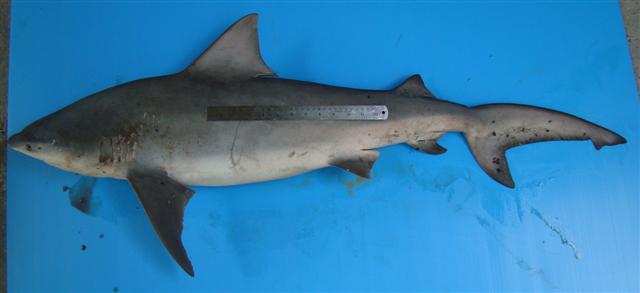
3. Bull shark 


The bull shark is on the list at number 3 for it's 104 attacks and 26 kills this
shark is capable of going in both fresh and salt water this makes them deadly in
salt and fresh water and they have their own way of testing for food the technique
is the bump and bite when the bump into their prey and bite it to see if its food.

4.Oceanic White Tip 
Oceanic Whitetip Shark
This shark is number 4 on our list this sharks number of attacks are unknown and
it is estimated that it has killed many there is no total of attacks or deaths caused
because of this shark and it is most likely to attack you in open waters but they have
 attacked in the shallows.
  

5.Short fin Mako Shark 
Shortfin Mako Shark

The short fin mako is number 5 on the list for its 45 attacks and 3 kills this
shark is most likely to attack you if you are at the red sea and this shark is known
for its speed it can swim up to 22 mph


That's all hope you enjoyed the top 5 follow for more and leave a comment. :)


Thursday, February 11, 2016

Great White Hunting Tactic Breach

For today's blog I decided to do on the great white and it's hunting tactics, As you may know the great white is known for its breaching tactic this tactic is used to ambush their 
prey from below. They can jump completely out of the water and catch their prey how ever they let the prey bleed out before eating it to prevent the risk of getting hurt. Also when breaching they close their eyes before impact to protect them from harm. Now look at how the great white is colored it has a black back and a white belly this is used to camouflage at the bottom of the sea to ambush they're prey.     


Links To Great White Breach Videos 


Here is a cartoon for your enjoyment.

Tuesday, February 2, 2016

Florida Worm Lizard (Rhineura floridana)

Today's blog is on a alien like lizard known as the Florida worm lizard/thunder worm, This worm like lizard is located in Florida and is special because it is the only worm like lizard in North America as you can see on the map they only  live in the area marked in purple witch is not that large. This lizard is mistaken to be a worm by the people of Florida and stepped on because of their small size,But when you look closely you will see scales on its body this is on thing that makes it different form a worm. and as you can see in the picture below it appears that this lizard doesn't have eyes but they do this one is just covering them with small scales to protect them they use the scales to protect the eyes while digging through the ground , This lizard has nostrils that point backward to prevent mud and grime form getting into their nose.


                     Close up of the Florida worm Lizards head and part of its body.


Friday, January 29, 2016

Oceanic whitetip shark(Carcharhinus longimanus)


                 Today's blog is on the Oceanic Whitetip shark(Carcharhinus longimanus), This shark can be recognized by its round fins topped with white and by their small body and their short broadly snout. They can grow to by 300 cm and even larger in rare cases. They use their powerful jaws to grip and tear their prey apart their lower jaw with its pointed teeth are used for griping on to their prey and their upper serrated teeth are used to rip their prey in to pieces these teeth are broader and serrated. They were first discovered of the coast of Brazil in 1992 this shark was most likely caught in a fishing net on accidentally by a local fishery, keep in mind this large shark can be found around the world and is a threat to humans however most attacks are not fatal and are caused out of the sharks curiosity and not on purpose. If you reader of my blog would like to learn more about this creature then cheek out the links below.  

.FLMNH Ichthyology Department: Oceanic Whitetip Shark


Tuesday, January 5, 2016

Pigeye Shark (Carcharhinus amboinensis)


Carcharhinus amboinensis ranong.jpg
    Today's blog will be on the Pigeye Shark/ the Carcharhinus Amboinensis, This shark can be recognized by it's small eyes and its large dorsal fin and black markings on the undersides of the pectoral fins, they can also be recognized by their short rounded snout.
They can reach sizes from
 60 to 280 cm.This shark gets it's name from it's short snout
and small eyes like a pig, This shark has not be proven to be a threat to humans.

A map showing the distribition of the pigeye shark, which is found inshore and offshore north of Brisbane on the east coast and north of Port Hedland on the west coast
map showing distribution inshore and offshore of  Brisbane. 


The females are known to be larger than the males the females also give birth from 3 to 13 pups witch are 43 to 53 cm in length. They usually hunt on the ocean floor and eat small fish like flat heads and croakers they are also known to eat dolphins and sea snakes.


The pigeye shark has relatively small eyes, a tall and erect first dorsal fin, black markings on the undersides of the pectoral fins and the anal fin forms an acute angle (60 degrees of less)
diagram of the Pigeye Shark 

Pigeye tooth 
The Pigeye shark has a set of razor sharp serrated teeth that are made to chop in to flesh and leave a devastating wound that is fatal, As shown in the picture to the left the teeth look like a saw and are perfect for hunting there prey.

Tuesday, December 15, 2015

Sandbar Shark (Carcharhinus Plumbeus)

Sandbar Shark Carcharhinus plumbeus swimming at nightToday's blog will be on the Sandbar Shark/ the Carcharhinus Plumbeus, This shark is one of the largest coastal sharks they are one of the most common shark species swimming along the Atlantic coast. Another name for this shark is the brown shark the shark got it's common name from it's habitat and it's name in Greek translates to "sharpened nose of lead". You can identify this shark by it's large dorsal fin and round blunt nose along with it's tan like color and large gold and black eyes and a graceful swimming patterns. This shark has be reported to attack humans but most attacks are not fatal so this shark is not considered to be dangerous but will still attack if you get to close. The largest this shark can get is 2 m or 6.5 feet long and weigh 45 kg (100 lb) to 90 kg (200 lb. Their diet is mostly made up of small bonny fish and even octopus along with small hard shellfish like crab and shrimp however they mostly hunt at night. during they'er breeding mostly takes place in the early summer in the northern hemisphere and in the southern hemisphere during the early fall up to winter they can give berth to 6 to 13 pups during this period.                                                                           


For more information on this shark click on the links below

http://www.aquariumofpacific.org/onlinelearningcenter/species/sandbar
FLMNH Ichthyology Department: Sandbar Shark

Sandbar shark swimming - ARKive


Monday, November 9, 2015

Mexican Beaded Lizard/ Heloderma Horridurm


     Today's blog will be on the Mexican beaded lizard, this lizard like the Gila monster is poisonous and is one of the 2 poisonous lizards in the world. This lizard is in the same family as the Gila monster and they are both similar in appearance, However the Gila monster is smaller and more colorful compared to the Mexican beaded lizard. The beaded lizard spend most of their time in a burrow in their remote habitats, both the Gila and beaded lizard are sole survivors of and ancient group of lizards called the monstersauria. Both the Gila and beaded lizards do not make good pets because of their venomous bite however some people do keep them as pets but after certain requirements are meet in certain country's for more info on that search it online. They mostly eat eggs of birds and lizards along with snake eggs and even small animals like mice, The largest they can get is 40 in (101 cm) and weigh 5 pound  the average age is 30 to 50 years in the wild and 40 in captivity. As the name suggest they live in Mexico but have been found in Arizona. If you reader would like to know more then you can search the web.